The Importance of Cultural Competence in Mental Health and Diversity in Therapeutic Spaces

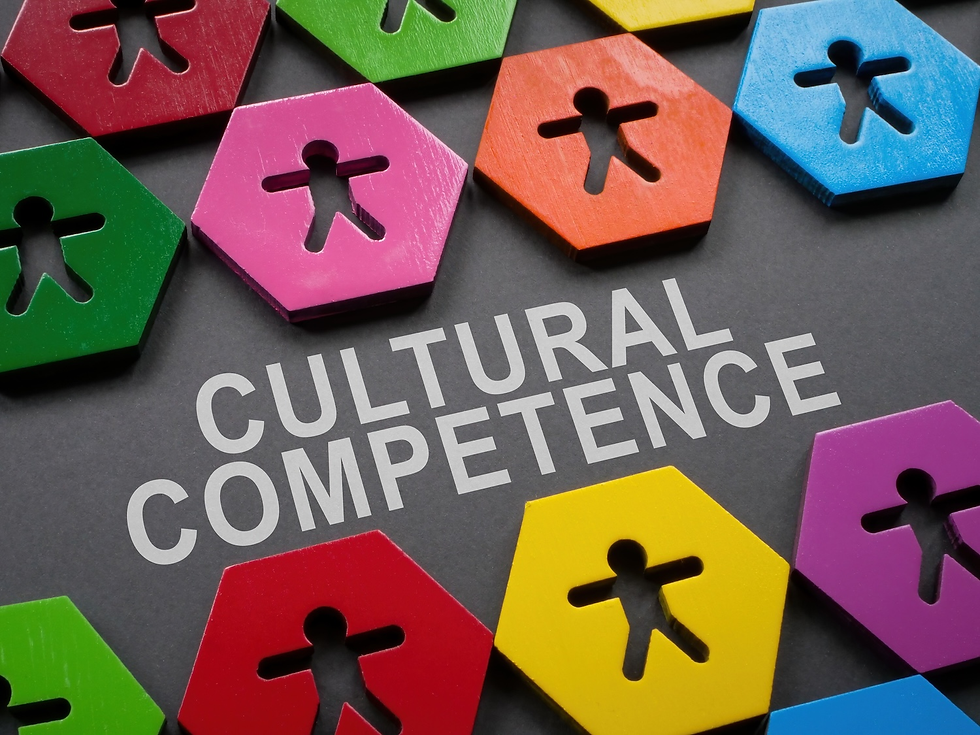
Mental health care is deeply personal. When you seek therapy, you want to feel understood, safe, and supported. But what happens when your background, culture, or life experience is very different from your therapist’s? This is where cultural competence in mental health becomes essential. It shapes how therapy is delivered and how healing happens.
Why Cultural Competence Matters in Mental Health
Cultural competence means understanding and respecting the diverse backgrounds, values, and experiences that people bring to therapy. It’s about more than just knowing facts about different cultures. It’s about being open, curious, and sensitive to how culture influences mental health, communication, and healing.
When therapists are culturally competent, they can:
Build stronger trust with clients
Avoid misunderstandings or misdiagnoses
Tailor treatment to fit cultural beliefs and practices
Recognize how systemic issues like racism or discrimination affect mental health
Create a safe space where clients feel seen and heard
Without cultural competence, therapy can feel alienating or even harmful. For example, a therapist who doesn’t understand a client’s cultural background might misinterpret symptoms or overlook important cultural strengths. This can lead to frustration, dropout, or ineffective care.
The Role of Diversity in Therapeutic Spaces
Diversity in therapy means having mental health professionals from different cultural, racial, ethnic, and linguistic backgrounds. It also means creating spaces where clients from all walks of life feel welcome and represented.
Why is this important? Because people often connect best with therapists who share or understand their cultural experiences. This connection can make therapy more effective and comfortable.
For example, Trinity Counseling & Wellness offers online therapy services that emphasize cultural competence and diversity. Their team includes therapists trained to work with clients from Texas and California, respecting the unique cultural landscapes of these regions. This approach helps clients feel more at ease and supported in their healing journey.
How Online Therapy Supports Cultural Competence
Online therapy has opened doors for many people who might not have access to culturally competent care nearby. It allows clients to find therapists who understand their background, even if they live in areas with limited options.
Trinity Counseling & Wellness provides trauma-informed therapy online, which means their therapists are trained to recognize how trauma affects people differently based on their culture and life experiences. This service is especially valuable for those seeking healing in a way that honors their identity.

Practical Ways to Foster Cultural Competence in Therapy
If you are looking for therapy or are a mental health professional, here are some ways to support cultural competence:
Ask open questions about your client’s background and experiences without assumptions.
Learn about different cultural practices related to mental health and healing.
Reflect on your own biases and how they might affect your work.
Use interpreters or bilingual therapists when language is a barrier.
Incorporate cultural strengths and community resources into treatment plans.
For example, Trinity Counseling & Wellness offers a range of services that include culturally sensitive approaches. Their therapists work with clients to integrate cultural values into therapy goals, making the process more meaningful.
The Impact of Cultural Competence on Mental Health Outcomes
Research shows that culturally competent care improves engagement, satisfaction, and outcomes in therapy. When clients feel understood, they are more likely to open up, follow treatment plans, and experience lasting change.
In diverse states like Texas and California, where many cultures intersect, having access to therapists who understand this diversity is crucial. It helps reduce mental health disparities and promotes equity in care.

How You Can Find Culturally Competent Therapy
If you want therapy that respects your culture, here are some tips:
Look for therapists who list cultural competence or diversity training in their profiles.
Ask about their experience working with clients from your background.
Consider online therapy platforms like Trinity Counseling & Wellness that offer access to diverse therapists.
Don’t hesitate to switch therapists if you don’t feel understood.
Remember, therapy is your space. You deserve to feel safe and supported in every way.
Moving Toward Inclusive Mental Health Care
Building cultural competence and diversity in mental health is a journey. It requires ongoing learning, humility, and commitment from therapists and organizations. It also means listening to clients and communities about what they need.
By choosing services that prioritize these values, like the trauma-informed online therapy at Trinity Counseling & Wellness, you take a step toward healing that honors your whole self.

Healing is not one-size-fits-all. When therapy embraces cultural competence and diversity, it becomes a powerful tool for growth, connection, and hope.
If you are ready to explore therapy that respects your culture and supports your journey, consider reaching out to providers like, Trinity Counseling and Wellness, who understand the importance of these values. Your mental health deserves care that fits you.
This article is for informational purposes only and does not replace professional medical advice.



Comments